Karori History
Just 4km from Wellington City centre, Karori is one of NZ's largest suburbs. The name Karori means "the rope of bird snares" in te reo Maori and originally the Maori used the once forested area of Karori for hunting. Karori was, and still is, renowned for its birdlife.
1840s – 1960s
Early Development
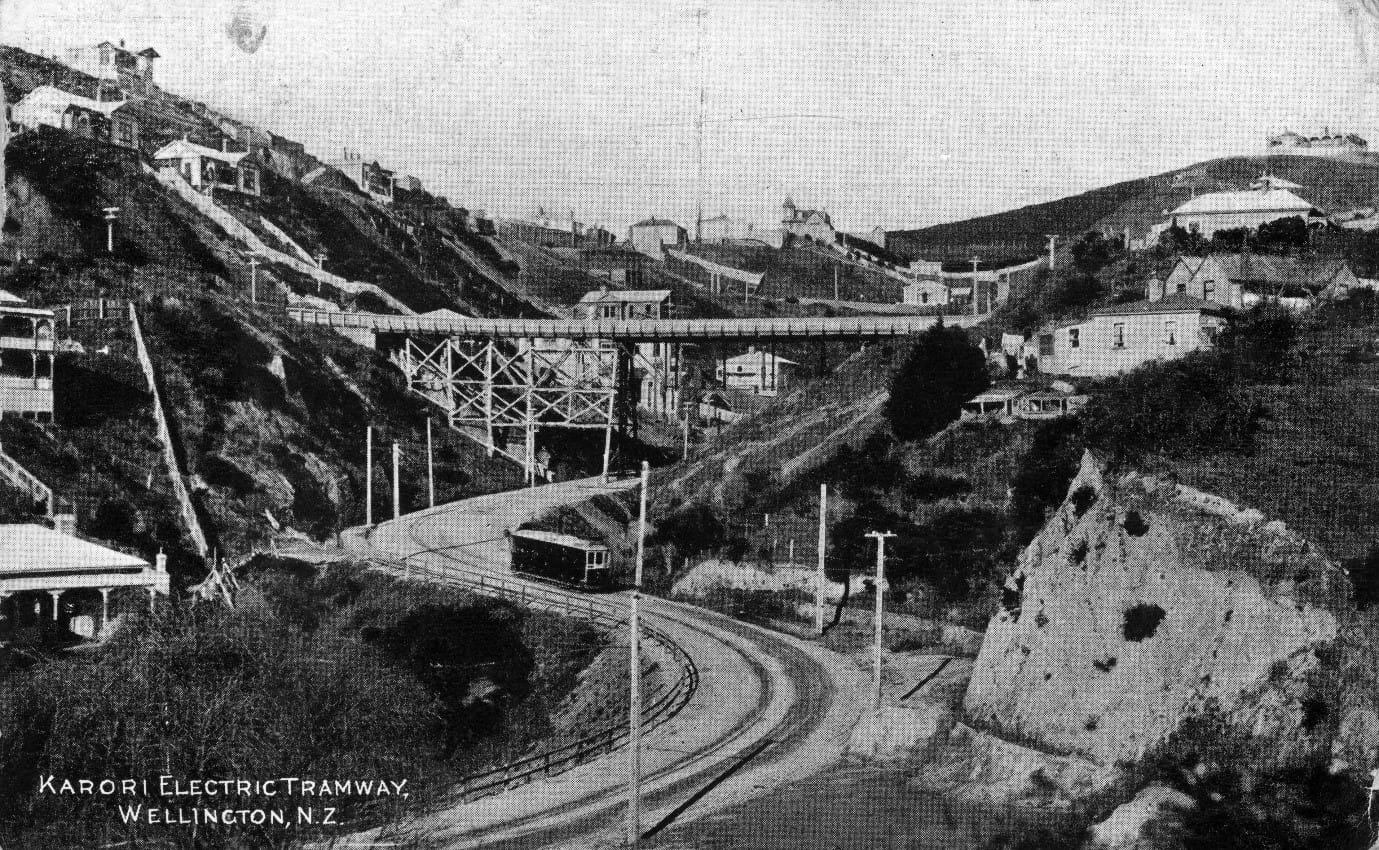
The first settlers came to Karori in the 1840's. In 1854 Wellington's Lunatic Asylum was built in Karori and in 1891 the Karori Cemetery opened. As this time the suburb was difficult to reach until the Karori Tunnel was built in 1900 and by 1907 trams ran to Nottingham St. By the 1960's Karori was one of NZ's biggest suburbs.

Karori hillside settlement 1891 – 1920
Karori Borough, 1891-1920
Karori was a part of Hutt County from the County's establishment in 1877 to 1891 when Karori was declared a separate borough following a petition from 123 signatories. A counter-petition garnered 41 signatures. Karori is also home to the Karori Military Cemetery, New Zealand's largest military cemetery.

Late 19th Century | Karori Cemetery 1920
Amalgamation with Wellington
Both Wellington and Karori expanded towards each other, the two urban areas becoming gradually connected, aided by the construction of the Karori tunnel in 1901, and the Borough of Karori amalgamated with the City of Wellington in 1920.

Karori Electric Tramway, Wellington